
Health
Eau Claire woman rescued from burning car after 135-foot airborne crash in Wisconsin
By Marcus Chen
Advertisement · Why this ad?
Marcus manages the day-to-day editorial workflow across all brands, coordinating coverage assignments and ensuring editorial standards are met. He previously served as city editor at the Pioneer Press and holds a degree in Political Science from Carleton College.
More from Marcus →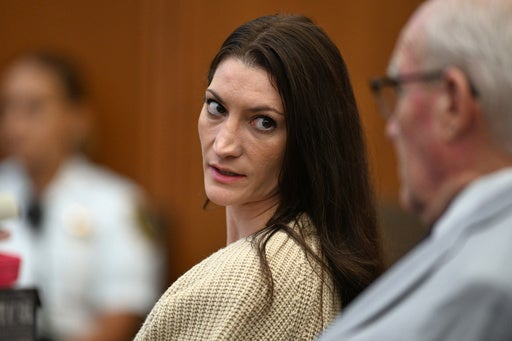
As Lindsay Clancy entered the courtroom on Monday, her face was a mixture of determination and despair, embodying the complexity of a mother facing unimaginable circumstances. The air was thick with tension as she returned to contest the charges of murdering her three young children, a case that has captivated and horrified the nation since it unfolded in 2023. Clancy's defense team is now seeking to dismiss the charges based on double jeopardy, following a mistrial caused by a deadlocked jury in September.
The hearing on Monday marked the second time Clancy has stood before a judge since the jury's inability to reach a verdict. Her attorney, Kevin Reddington, argued passionately that the lone holdout juror, Michael Desronvil, had compromised the integrity of the deliberations by allegedly conducting unauthorized research and misrepresenting his criminal history during jury selection. This led to heated exchanges in the courtroom, with Judge William Sullivan frequently interjecting to maintain order.
Clancy, now 36, has openly acknowledged the tragic events that led to her children's deaths but maintains that she was suffering from postpartum psychosis, which impaired her ability to understand her actions. Prosecutors, however, assert that Clancy acted with intent and awareness, emphasizing that her mental health struggles do not absolve her from responsibility.
The courtroom drama intensified as Reddington accused Desronvil of being dishonest and called for further investigation into his conduct. This accusation ignited a fierce debate over judicial protocol and the sanctity of jury deliberations. The prosecution countered that any further inquiry could risk judicial coercion and infringe upon the jury's deliberative process.
The case has sparked a wave of emotions within the Plymouth community and beyond. Many residents express deep sympathy for Clancy, recognizing the harrowing impact of mental health issues, especially postpartum conditions that can lead to tragic outcomes. Local support groups have emerged, advocating for better mental health resources for parents, underscoring the importance of understanding and compassion in the face of such tragedies.
Conversely, there is also a strong contingent of voices demanding justice for the three young victims, who are often referred to by their names—Cora, Dawson, and Callan. Their deaths have left an indelible mark on the community, prompting discussions about the responsibilities of parents and the societal obligations to protect children. The dual narratives of empathy for Clancy’s mental health struggles and the quest for justice for the children create a complex tapestry of community sentiment.
Local mental health advocates have emphasized the need for more robust support systems for new parents, particularly mothers who may be silently battling postpartum disorders. The tragic outcome of this case serves as a stark reminder of the potential consequences of untreated mental health issues. Many community members have rallied around initiatives aimed at increasing awareness and access to mental health care, recognizing that early intervention can save lives.
As discussions continue, the community grapples with the reality that mental health challenges often go unnoticed until it's too late. The Clancy case has ignited a dialogue about how society can better support families and prevent similar tragedies from occurring in the future.
The legal intricacies surrounding Clancy's case are significant. The defense's motion to dismiss charges on double jeopardy grounds raises important questions about the legal system's handling of jury dynamics. Reddington's claims regarding the conduct of the holdout juror have prompted discussions about the potential need for reform in how juries are managed and how their deliberations are monitored.
Prosecutors Jennifer Sprague and her team argue that the mistrial does not bar them from seeking justice for the children. They maintain that the integrity of the judicial process must be upheld, and that investigating the holdout juror could lead to further complications. The court's decision on whether to dismiss the charges will set a significant precedent for how similar cases are handled in the future.
Judge Sullivan's decision is anticipated with bated breath, as it will not only impact Clancy's future but will also resonate throughout the legal community. The balance between protecting the rights of the accused and ensuring justice for victims is a delicate one, and this case exemplifies the challenges inherent in navigating that balance.
As the legal battle continues, the Clancy case remains a focal point for discussions about mental health, parental responsibility, and the complexities of the justice system. With no clear resolution in sight, both the defense and prosecution prepare for the possibility of a retrial, should the judge deny the motion to dismiss. The emotional toll of the case continues to weigh heavily on Clancy, her family, and the community.
In the meantime, advocates for mental health awareness are leveraging the attention surrounding the case to push for legislative changes that could improve support systems for parents. Initiatives aimed at increasing funding for mental health services and providing education about postpartum conditions are gaining traction as community members rally for change.
The road ahead for Lindsay Clancy is fraught with uncertainty, but it also presents an opportunity for dialogue and reform. As the community reflects on the tragic events that unfolded, there is hope that lessons learned can prevent future tragedies and foster a more supportive environment for families struggling with mental health issues.
In the wake of this case, many residents have come forward to share their own experiences with mental health challenges. Local forums and town hall meetings have been organized, allowing community members to discuss their struggles and advocate for better mental health support. One such forum, hosted by the Plymouth Mental Health Coalition, featured personal testimonies from parents who have faced postpartum depression and anxiety. These stories have highlighted the urgent need for accessible mental health resources in the area.
Clancy's case has also inspired local artists and writers to create works that reflect the complexities of motherhood and mental health. Art exhibits featuring pieces that explore themes of loss, grief, and resilience have been organized, providing a space for healing and conversation. These initiatives not only honor the memory of the children but also serve as a reminder of the importance of community solidarity during difficult times.
For those affected by mental health issues, numerous resources are available. The National Suicide Prevention Lifeline can be reached at 1-800-273-TALK (1-800-273-8255), providing 24/7 support for individuals in crisis. Additionally, local organizations such as NAMI (National Alliance on Mental Illness) offer valuable resources and support for families dealing with mental health challenges.
Community members are encouraged to engage in discussions about mental health and to advocate for policies that support families. By fostering an environment of understanding and compassion, we can work together to address the pressing issues surrounding mental health in our communities.
By Marcus Chen

By Marcus Chen

By Katherine Langford

By Marcus Chen